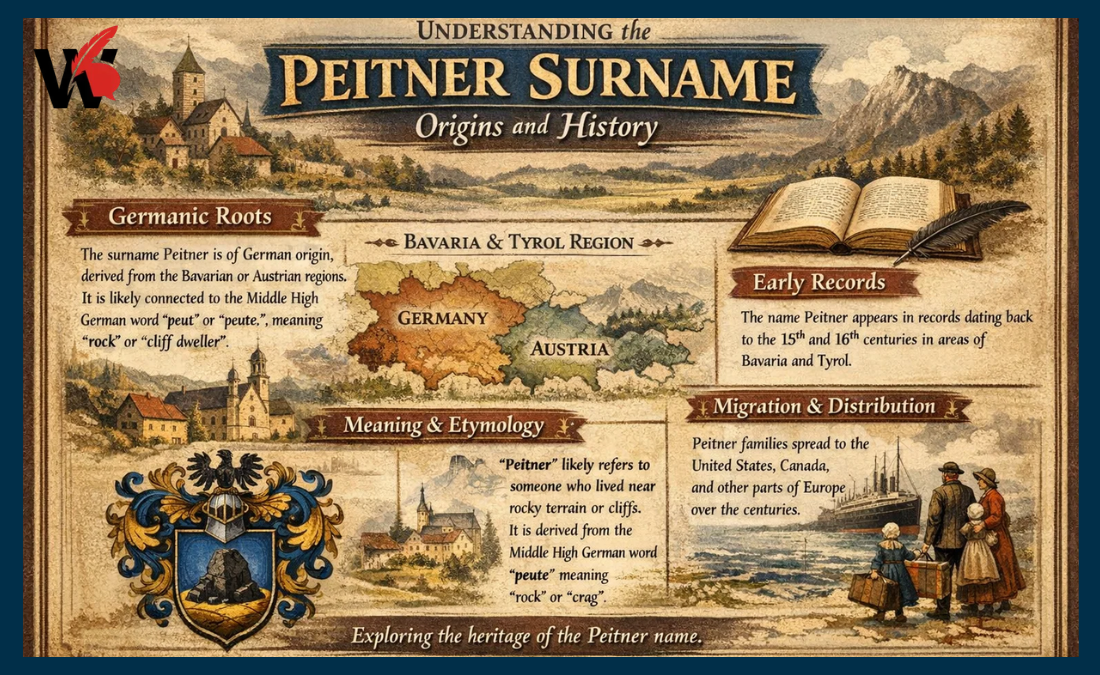
The surname Peitner has intrigued genealogists and family historians for decades. With its roots deeply embedded in European history, this surname is often associated with German-speaking regions. Surnames like Peitner emerged from various socio-cultural influences, including occupation, location, or even personal characteristics of ancestors.
Historically, surnames were not just identifiers but also a reflection of a family’s lineage, social status, and sometimes even their profession. In the case of Peitner, researchers have traced its earliest origins to Central Europe, particularly in Austria and Germany, where the name appeared in official records as early as the 16th century.
The Meaning of the Peitner Surname
The etymology of Peitner suggests that it may be derived from a personal name or a descriptive term. Linguists and historians propose that it could be related to the German word “Peit,” which might have referred to someone who worked with hides or leather, linking it to traditional occupations of the time.
Another theory suggests that the name could be topographical, indicating someone who lived near a prominent feature in the landscape, such as a hill or a notable landmark. Like many surnames of Germanic origin, Peitner carries both historical and linguistic significance that connects modern bearers of the name with their ancestors’ lives centuries ago.
Geographical Distribution of the Peitner Family
The surname Peitner is most commonly found in Austria and Germany, although migration over the centuries has spread it to countries like the United States, Canada, and Australia. Historical population records show clusters of the Peitner family in regions such as Upper Austria, Bavaria, and parts of Switzerland.
In modern times, the surname has retained its presence in Europe, but it has also established a foothold in North America, particularly in areas with large German-speaking immigrant communities. This geographical distribution highlights the adaptability and resilience of families carrying the Peitner name.
Notable Individuals with the Peitner Surname
Several individuals with the surname Peitner have made notable contributions in various fields, including academia, business, and the arts. For instance, in Austria, some members of the Peitner family have been recognized in local politics and community service.
In addition, historical records show that the Peitner family played roles in cultural and social developments within their communities. Though the surname may not be globally famous, it has a respected presence in regions where the family has deep roots.
Genealogical Research and the Peitner Family Tree
Tracing the Peitner family lineage can be both fascinating and challenging. Genealogists often rely on church records, census documents, and immigration registries to piece together family trees. The surname’s consistent spelling in most records makes it slightly easier to trace than other surnames that underwent multiple variations over time.
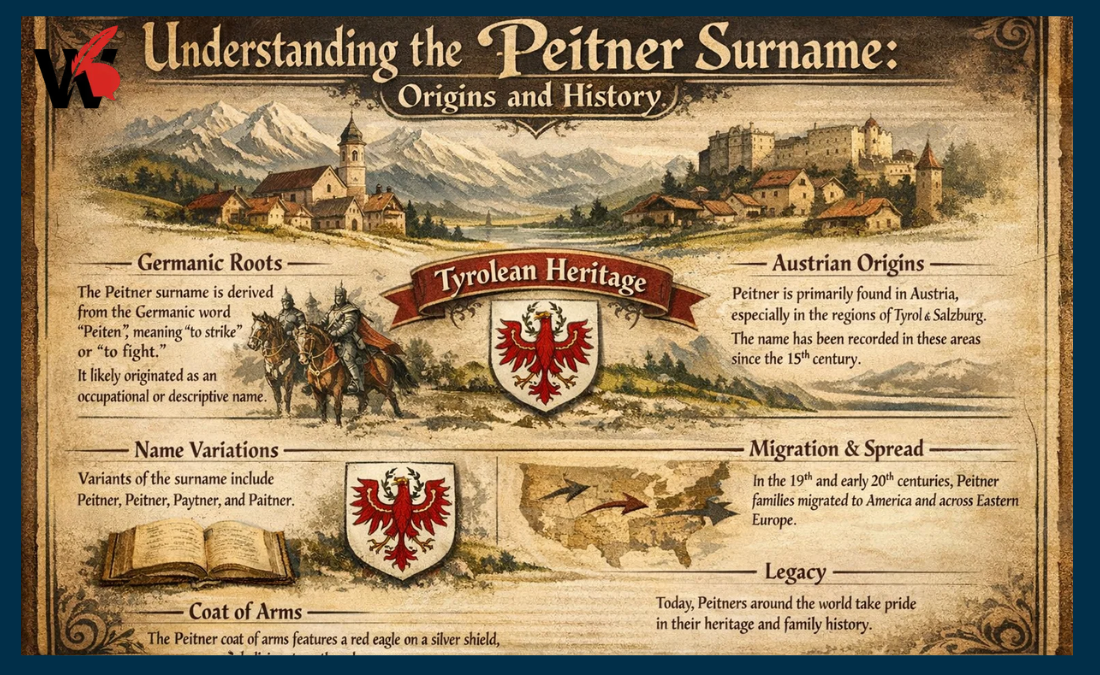
For those interested in exploring their Peitner ancestry, online genealogical platforms and local archives in Austria and Germany are invaluable resources. Discovering connections with historical Peitner family members can provide insight into the social and cultural history of the regions they lived in.
The Peitner Surname in Modern Times
Today, the Peitner surname continues to be carried by individuals worldwide. Modern bearers of the name often take pride in their heritage, whether through family traditions, cultural festivals, or genealogical research.
In contemporary contexts, people with the surname Peitner may not only be found in Europe but also in the Americas, contributing to diverse fields such as science, business, and the arts. The name represents a link between historical roots and modern identity, reminding families of the resilience and continuity of their lineage.
Cultural Significance of the Peitner Name
Surnames like Peitner are more than just identifiers; they are a bridge to the past. They provide cultural and historical insights, revealing the societal structures, occupations, and migration patterns of ancestors.
For families carrying the Peitner surname, understanding its origins can foster a sense of identity and belonging. It can also inspire younger generations to explore their heritage, preserve family stories, and honor the legacy of those who came before them.
How to Trace Your Peitner Ancestry
For anyone interested in tracing their Peitner ancestry, starting with oral histories is crucial. Conversations with older family members can provide names, dates, and places that might not be documented elsewhere.
Following this, accessing public records such as birth, marriage, and death certificates in Austria and Germany can help construct an accurate family tree. Online genealogy websites and DNA testing can also uncover distant relatives and provide a deeper understanding of ethnic origins.
Conclusion: The Enduring Legacy of the Peitner Surname
The surname Peitner carries with it a rich history, a connection to European roots, and a legacy that continues to modern times. From its possible occupational or topographical origins to its spread across continents, the Peitner name is a symbol of heritage, resilience, and cultural identity.
Understanding and exploring the Peitner surname not only honors the past but also strengthens the sense of identity for future generations. Whether in Europe or abroad, the Peitner family continues to make its mark, proving that a surname is more than just a name—it is a story waiting to be discovered.