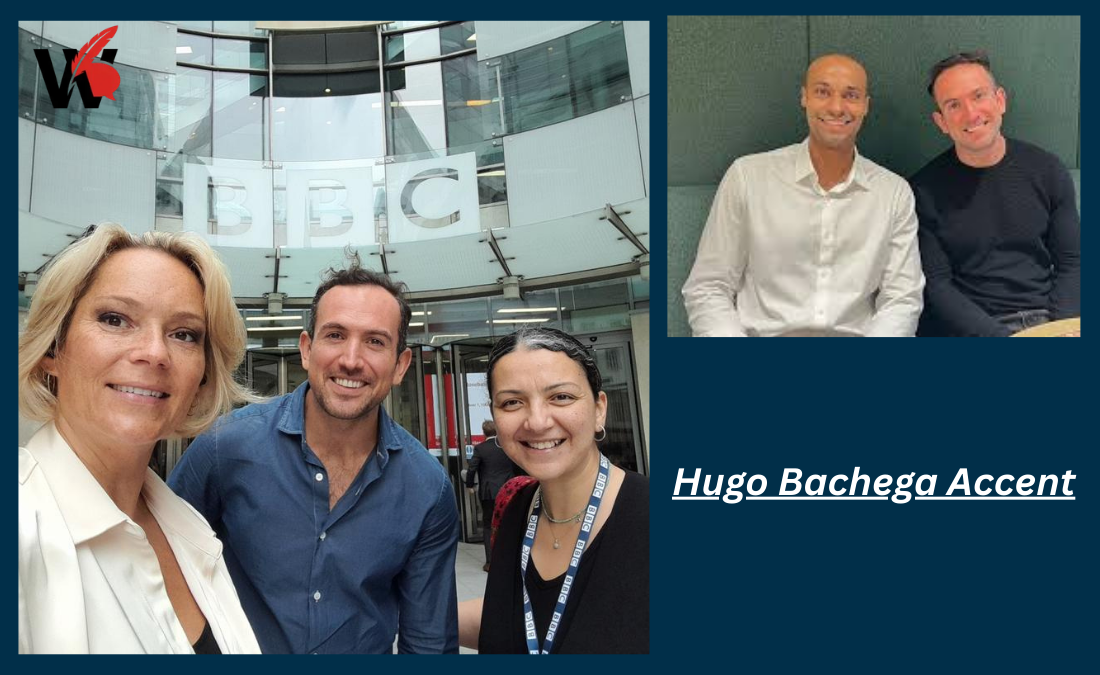
The Hugo Bachega accent has become a topic of interest for many viewers who regularly watch international news broadcasts. Hugo Bachega is known for his calm, clear reporting style, and many people notice the distinct way he speaks English. His accent reflects his cultural background, professional experience, and years of working in global journalism.
Accents are a natural part of language and communication. They show where a person comes from and how they learned a language. In the case of the Hugo Bachega accent, it represents a blend of Brazilian roots and international media influence. This article explores the origin of his accent, how it developed, and why audiences find it distinctive and recognizable.
Hugo Bachega Accent: Who Is Hugo Bachega?
To understand the Hugo Bachega accent, it is important to first know who Hugo Bachega is. Hugo Bachega is a respected international journalist who has worked as a foreign correspondent covering major global events. His reports often focus on political developments, international conflicts, and global affairs.
Bachega was born and raised in Brazil, where Portuguese is the primary language. Portuguese strongly influences the way many Brazilians speak English. When someone grows up speaking Portuguese and later learns English, certain pronunciation patterns naturally remain in their speech.
Over the years, Hugo Bachega has worked in different countries and reported on international stories. Because of this global experience, his English pronunciation has evolved into a clear and professional speaking style while still reflecting his original linguistic background.
Hugo Bachega Accent: Brazilian Influence on His English
One of the main reasons the Hugo Bachega accent sounds unique is because of his Brazilian background. Brazilian Portuguese has different pronunciation rules compared to English, which can influence how English words are spoken.
Some features commonly associated with Brazilian-accented English include:
- Slightly softer consonant sounds
- Different vowel pronunciation compared to American or British English
- A rhythmic and melodic tone when speaking
- Clear separation of syllables
These characteristics can often be heard when Brazilian speakers communicate in English. However, professional journalists like Bachega develop strong fluency and clarity, ensuring that their speech remains easy for international audiences to understand.
Hugo Bachega Accent: The Role of International Experience
Another important factor shaping the Hugo Bachega accent is his international career. Journalists who work in global media interact with people from many countries and cultures. Over time, this exposure influences how they speak.
When someone communicates with international audiences regularly, they often adjust their speech to become more neutral. This helps listeners from different regions understand them more easily.
Hugo Bachega’s reporting career has likely exposed him to English speakers from:
- The United Kingdom
- The United States
- Europe
- The Middle East
- Asia
Because of this global interaction, his accent may include elements of international English while still maintaining traces of his Brazilian origins.
Hugo Bachega Accent: Why People Notice It
The Hugo Bachega accent often attracts attention because viewers are used to hearing specific types of accents in international news broadcasting. Most global news networks traditionally feature reporters with British or American accents.
When a journalist speaks with a slightly different accent, audiences naturally become curious about it. However, this curiosity is usually positive. Many viewers appreciate hearing voices from diverse cultural backgrounds.
There are several reasons why people notice the Hugo Bachega accent:
- His reports reach a global audience.
- His speech is calm and clearly articulated.
- His accent reflects a mix of cultures and languages.
Instead of making communication difficult, his accent adds character to his reporting style.
Hugo Bachega Accent: Accent and Language Identity
An accent is an important part of a person’s identity. The Hugo Bachega accent represents his linguistic journey from Brazil to the international media world.
Many people around the globe speak English as a second language. Even when someone becomes highly fluent, small elements of their original language may remain in their speech. This is completely normal and often enriches global communication.
In fact, international journalism benefits from having reporters with diverse accents and perspectives. It reflects the global nature of modern news coverage.

Hugo Bachega Accent: Clarity and Professional Communication
One of the reasons the Hugo Bachega accent works well for broadcasting is his clear and professional communication style. News reporters are trained to speak in ways that audiences can easily understand.
Broadcast journalists often focus on:
- Speaking at a steady pace
- Pronouncing words clearly
- Emphasizing key information
- Avoiding overly complex pronunciation
These techniques help ensure that viewers around the world can follow the story without confusion. Hugo Bachega demonstrates these skills in his reporting, which makes his accent both distinctive and easy to understand.
Hugo Bachega Accent: The Importance of Accents in Global Media
The Hugo Bachega accent also highlights a broader trend in international media. Today, global news organizations include journalists from many different cultural backgrounds.
In the past, television news often favored a narrow range of accents, particularly British or American English. However, modern audiences now hear reporters from various regions of the world.
This diversity reflects the international nature of journalism. It allows stories to be told by people who understand different cultures and perspectives.
Accents like the Hugo Bachega accent show that professional communication does not require losing one’s cultural identity. Instead, it demonstrates that global communication can include many different voices.
Hugo Bachega Accent: How Viewers Perceive It
Audience perception of accents can vary depending on familiarity and cultural exposure. Many viewers describe the Hugo Bachega accent as clear, calm, and slightly distinctive.
Some listeners notice a subtle Brazilian influence, while others simply recognize that his voice differs from traditional British news presenters.
However, most viewers focus primarily on the quality of his reporting rather than the accent itself. His professionalism, clarity, and ability to explain complex global events are what truly stand out.
Hugo Bachega Accent: Language Skills of International Journalists
International reporters like Hugo Bachega often speak multiple languages. Being multilingual is a valuable skill in journalism because it allows reporters to communicate with diverse communities and sources.
The Hugo Bachega accent is an example of how language learning shapes speech patterns. When someone learns English after growing up with another language, their pronunciation may carry subtle influences from their native language.
This does not reduce communication quality. In many cases, multilingual speakers develop strong listening and communication skills that help them explain complex stories clearly.
Conclusion
The Hugo Bachega accent reflects a combination of cultural heritage, language learning, and international professional experience. Born in Brazil and working in global journalism, Hugo Bachega speaks English with a style that blends Brazilian linguistic influence with the clarity required for international broadcasting.
Rather than being a barrier, his accent adds uniqueness and authenticity to his reporting. It represents the diverse voices that shape modern journalism and highlights how global media now includes perspectives from around the world.
Ultimately, the Hugo Bachega accent is a reminder that effective communication is not about sounding exactly the same as everyone else. Instead, it is about speaking clearly, sharing accurate information, and connecting with audiences across cultures and languages.