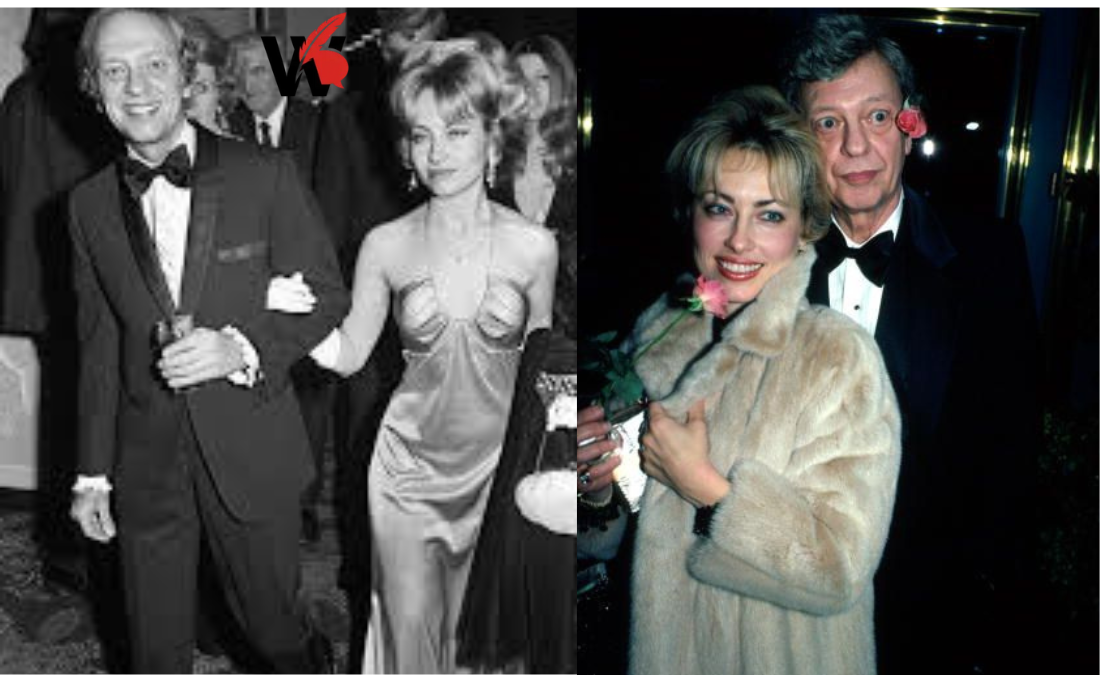
Gary Farrow Early Life and Background
Gary Farrow is widely recognized as a respected British music manager who made a significant mark in the entertainment industry. Although he was not a performer himself, Gary Farrow built a powerful reputation behind the scenes by guiding and supporting major artists during crucial stages of their careers.
Born in the United Kingdom, Gary Farrow developed an interest in music and artist development at a young age. While many dream of becoming singers or performers, he understood that the music industry also depends on skilled managers who can shape careers, negotiate contracts, and protect artistic integrity. His early ambition was not about fame but about building success stories for others.
During the late 1970s and early 1980s, the British music industry was evolving rapidly. New genres were emerging, pop culture was expanding globally, and record labels were investing heavily in talent. This environment created opportunities for managers who could think strategically and act decisively. It was within this competitive landscape that Gary Farrow began carving out his professional identity.
Gary Farrow and George Michael Partnership
One of the most important chapters in his career was his professional relationship with George Michael. Managing a global superstar requires careful planning, strong negotiation skills, and a deep understanding of public image. He became closely involved during a transformative period in the artist’s journey.

As George Michael transitioned from group fame to a solo career, strong management was essential. The pop world can be unpredictable, and many artists struggle when stepping away from group success. With strategic planning and careful career direction, the transition proved successful. The release of the album Faith marked a defining moment, turning him into an international solo icon.
The partnership demonstrated how effective management can elevate talent from popularity to long-term global recognition. It also showed the importance of protecting an artist’s creative vision while ensuring commercial success.
Gary Farrow and Wham! Era Success
Before the solo breakthrough, he was associated with Wham!, the pop duo that dominated charts during the 1980s. Wham! became known for energetic performances, colorful style, and unforgettable hits that captured a generation.
Managing a pop duo requires balancing personalities, schedules, touring commitments, and media exposure. The global tours and chart-topping singles required careful coordination and international promotion. The group’s rapid rise to fame demonstrated the strength of its support system behind the scenes.
The experience gained during this period strengthened his reputation in the industry. Handling worldwide success is never simple, and the ability to maintain momentum without damaging brand image is a rare skill.
Gary Farrow Management Style and Professional Approach
A defining characteristic of his professional approach was discretion. Unlike some managers who frequently appear in media interviews, he maintained a low public profile. This approach allowed the focus to remain on the artists rather than on management.
His management style was built on several core principles:
Strategic planning
Long-term career development
Careful media positioning
Strong contract negotiation
Protecting artistic identity
He understood that fame can be temporary if not managed correctly. Instead of chasing quick profits, the emphasis was placed on sustainability. Artists under his guidance were positioned for longevity rather than short-lived popularity.
Industry professionals often value managers who combine business intelligence with respect for creative freedom. That balance played a crucial role in building trust between management and artist.
Gary Farrow and Sharon Corr Collaboration
Beyond pop megastars, he was also associated with Sharon Corr. Working with different genres and musical styles requires adaptability. Sharon Corr, known for her work as a violinist and singer-songwriter, represented a different musical direction compared to mainstream pop acts.
Managing diverse artists reflects versatility. It shows the ability to understand different audiences, marketing strategies, and career pathways. Supporting artists from varying backgrounds expands industry knowledge and professional credibility.
Gary Farrow Influence on the Music Industry
The influence of a music manager is often measured not by personal fame but by the success and stability of the artists represented. His contribution to the industry lies in helping shape careers during a golden era of British pop music.
During the 1980s and 1990s, British artists dominated international charts. The competition was intense, and global markets were expanding. Successfully navigating this environment required strong leadership and careful branding.
Managers play roles such as:
Negotiating record deals
Organizing tours
Handling media relationships
Protecting artist rights
Planning album launches

These responsibilities may not be visible to the public, but they are essential to building sustainable success. His career demonstrates how effective management can directly impact musical history.
Gary Farrow Personal Life and Privacy
Despite working with high-profile celebrities, he maintained a relatively private personal life. Many successful managers prefer staying out of media attention, focusing instead on business responsibilities.
Keeping a low profile allows professionals to operate without unnecessary public scrutiny. In an industry often filled with controversy, privacy can be a powerful asset. His reputation remained largely professional rather than sensational, which helped build trust within the industry.
Gary Farrow Challenges in the Entertainment World
The entertainment industry is filled with challenges. Artists face pressure from media, fans, record labels, and public expectations. Managers must handle crises, contractual disputes, and changing market trends.
The transition from physical album sales to digital platforms changed the music business dramatically. Although much of his most recognized work occurred during the peak of physical music sales, adaptability has always been necessary in artist management.
Staying relevant in a constantly evolving industry requires awareness of trends, audience behavior, and technological change. The longevity of his career reflects resilience and professional strength.
Gary Farrow Legacy and Lasting Impact
The legacy of a music manager is reflected in the artists’ enduring success. His involvement in shaping internationally respected musicians ensured that his influence would remain part of pop culture history.
George Michael’s continued recognition as one of Britain’s most iconic performers reflects the strength of early career decisions. The global reach achieved during the Wham! era also remains a landmark moment in British pop expansion.
A manager’s work often goes uncredited by the general public, yet their strategic decisions can define entire careers. His professional journey highlights how leadership behind the scenes can shape entertainment history.
Conclusion
Gary Farrow represents the powerful yet often unseen force behind major musical success stories. As a British music manager, he played a meaningful role in guiding internationally recognized artists during pivotal stages of their careers. From managing pop sensations to supporting solo artistry and working with diverse talents, his contributions helped shape an important era in music.
His professional style emphasized strategy, discretion, and long-term planning. Rather than seeking personal fame, the focus remained on artist growth and sustainable success. In an industry where trends change quickly and pressure remains constant, such steady leadership is invaluable.
The story of Gary Farrow reminds us that the music industry is not built solely by performers but also by dedicated professionals who work tirelessly behind the scenes. His legacy continues to be reflected in the lasting achievements of the artists he helped guide, ensuring that his influence remains part of music history.