Early Years and Background
The story of Bowles begins in an era when personal records were not always preserved with the same depth and accessibility we expect today. Much of what is known about her comes from scattered references, historical context, and connections to broader social circles. While detailed archives may be limited, understanding her life requires looking at the cultural and social environment in which she lived.
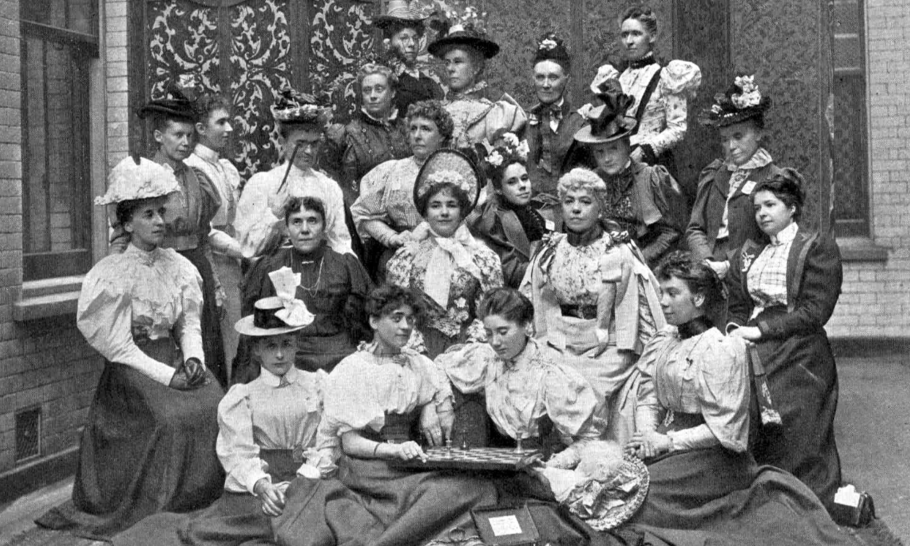
During the late nineteenth and early twentieth centuries, society was undergoing significant transformation. Industrial growth, social reform movements, and expanding educational opportunities were reshaping communities across Europe and America. Women were gradually stepping into more visible roles, although many were still defined largely by family ties and social expectations.
Growing up in such a period would have meant balancing traditional values with emerging modern ideas. Education for women was becoming more accessible, yet societal norms still emphasized marriage, family responsibility, and community involvement. Bowles’ formative years were likely influenced by these dynamics, shaping her outlook, character, and life decisions.
Family Life and Social Environment
Family played a central role in shaping identity during this period. Households were often close-knit, and reputation within the community carried significant importance. Social circles were carefully maintained, and personal relationships frequently determined social mobility and influence.
Marriage, in particular, was not only a personal milestone but also a social institution with economic and reputational implications. Women were often expected to support their spouses’ ambitions, manage household affairs, and maintain social networks. Within this framework, Bowles’ life likely reflected the delicate balance between private responsibilities and public expectations.
The early twentieth century also saw shifting roles for women. The suffrage movement, increased workforce participation during wartime, and evolving educational opportunities gradually expanded possibilities. Even if her life remained primarily private, it unfolded against a backdrop of profound societal change.
Personal Character and Influence
Although detailed personal anecdotes may not be widely documented, individuals of her era were often described through qualities such as resilience, dedication, and adaptability. Managing family life, navigating social structures, and maintaining composure in changing times required strength and grace.
It is important to recognize that historical significance does not always stem from public fame. Many individuals contribute quietly through family leadership, moral support, and behind-the-scenes influence. In many cases, the impact of such individuals is felt most strongly within their immediate circles.
Bowles’ legacy may be understood not through headlines or major public achievements, but through the steady presence and support she offered in her personal environment. These quieter forms of influence are often overlooked in traditional historical accounts but are essential to understanding the fabric of society.
The Public Interest in Edith Bowles
Public curiosity surrounding Edith Bowles often arises from her association with notable individuals or historical moments. When someone is connected to a figure of public recognition, interest naturally extends to those within their personal lives. This phenomenon is not unique; throughout history, spouses and family members of prominent personalities have attracted attention from researchers and biographers.
However, public interest sometimes exceeds available documentation. This can lead to speculation, fragmented narratives, or assumptions. It is important to approach such figures with careful consideration, acknowledging the limits of verified information while appreciating the broader historical context.
The renewed attention surrounding her name reflects a broader cultural trend: a desire to understand the complete human stories behind historical figures. People are increasingly interested not just in leaders and celebrities, but also in those who stood beside them.
Historical Context of Her Era
To better understand her life, it is helpful to examine the era in which she lived. The early to mid-twentieth century was marked by world wars, economic upheavals, and significant social transformation. Families were directly affected by these events, whether through economic strain, relocation, or changes in social status.
Women often played critical roles during wartime, managing households in the absence of men, participating in industrial work, and contributing to community support efforts. After the wars, many societies experienced cultural shifts that reshaped family life and gender expectations.
Living through such transformative decades would have required adaptability. Economic fluctuations, evolving political landscapes, and shifting social norms influenced daily life in profound ways. Even individuals who remained outside the spotlight were deeply affected by these changes.
Private Life Versus Public Recognition
One of the most interesting aspects of figures like Bowles is the contrast between private existence and public curiosity. In many cases, the person themselves may not have sought public attention. Yet history sometimes draws individuals into broader narratives because of their relationships or circumstances.

Maintaining privacy during periods of public interest can be challenging. Historical figures connected to public personalities often experienced scrutiny, even when they preferred a quiet life. Balancing personal identity with external perception requires emotional strength and resilience.
The limited documentation available today may actually reflect a deliberate choice to maintain privacy. In earlier decades, many individuals valued discretion and personal boundaries far more than public exposure.
Legacy and Interpretation
Legacy does not always require widespread fame. The influence of a person can be subtle yet meaningful. Family traditions, moral values, and supportive partnerships can shape outcomes just as powerfully as public achievements.
In modern times, there is growing recognition of the importance of documenting diverse narratives. Historians increasingly seek to highlight the experiences of women whose lives were previously overshadowed by more publicly visible figures. This broader approach to history allows for a more nuanced understanding of the past.
The legacy of Bowles may therefore lie in the quiet strength and personal dedication that characterized her life. Even without extensive archival detail, her presence within historical discussions reflects the enduring human desire to understand personal stories.
Why Her Story Still Matters
Interest in figures from the past often grows as society reevaluates historical narratives. Modern readers are not only interested in political leaders or celebrities; they also want insight into the personal dimensions of history. Understanding family dynamics, social expectations, and private lives enriches our comprehension of entire eras.
Her story represents countless individuals whose contributions were primarily personal rather than public. These stories remind us that history is not solely shaped by famous names. It is also built on the daily efforts, decisions, and resilience of ordinary people navigating extraordinary times.
Moreover, examining such lives encourages empathy. It allows contemporary readers to connect with individuals from different periods, recognizing shared experiences of family, responsibility, and adaptation.
Conclusion
The life associated with the name Edith Bowles illustrates how personal narratives intertwine with historical context. Though not widely documented in mainstream records, her story reflects the experiences of many women who lived through transformative decades of social change.
By considering her life within its broader environment—marked by evolving gender roles, shifting social norms, and historical upheaval—we gain deeper insight into the complexity of the past. Public interest in her name highlights a growing appreciation for the full spectrum of human stories, not only those of prominent public figures.
Ultimately, the significance of such individuals lies not necessarily in fame, but in presence. Quiet influence, steady support, and personal resilience shape history just as profoundly as public leadership. Through this lens, her life continues to inspire curiosity and thoughtful reflection, reminding us that every era is defined not only by its leaders, but also by those who stood beside them.