Early Life and Background
Charles Donald Fegert was born on November 8, 1930, in Chicago, Illinois, during a period of significant economic and social challenges in the United States. Growing up during the Great Depression on Chicago’s South Side, Fegert developed a strong sense of resilience, practicality, and determination. His Midwestern upbringing instilled in him values of hard work, responsibility, and discretion—qualities that would later define both his professional and personal life. From an early age, Fegert exhibited intellectual curiosity and an aptitude for organization, traits that guided him toward a career in business and media.
Education played a key role in shaping Fegert’s professional trajectory. Reports suggest that he attended Loyola University in Chicago, where he cultivated skills that would later prove vital in advertising and media management. His time in higher education allowed him to refine his analytical thinking, communication abilities, and leadership skills, preparing him for a life of strategic decision-making and influence behind the scenes.
Professional Career in Media and Advertising
Charles Donald Fegert built a notable career in advertising, becoming a respected figure within the newspaper and media industry. He rose through the ranks to hold senior-level positions, including vice president roles in advertising and marketing. Fegert’s work primarily focused on managing advertising campaigns, negotiating contracts with major clients, and ensuring the financial stability of the publications he served.
His career coincided with the golden era of print journalism, a time when newspapers were a primary source of information and entertainment for the public. In this dynamic environment, Fegert demonstrated strategic foresight, professionalism, and a capacity to navigate complex relationships between advertisers, editorial teams, and readership. While his name did not appear on front-page stories, his contributions were integral to the operations and success of the media outlets he worked for.
Marriage to Barbara Eden
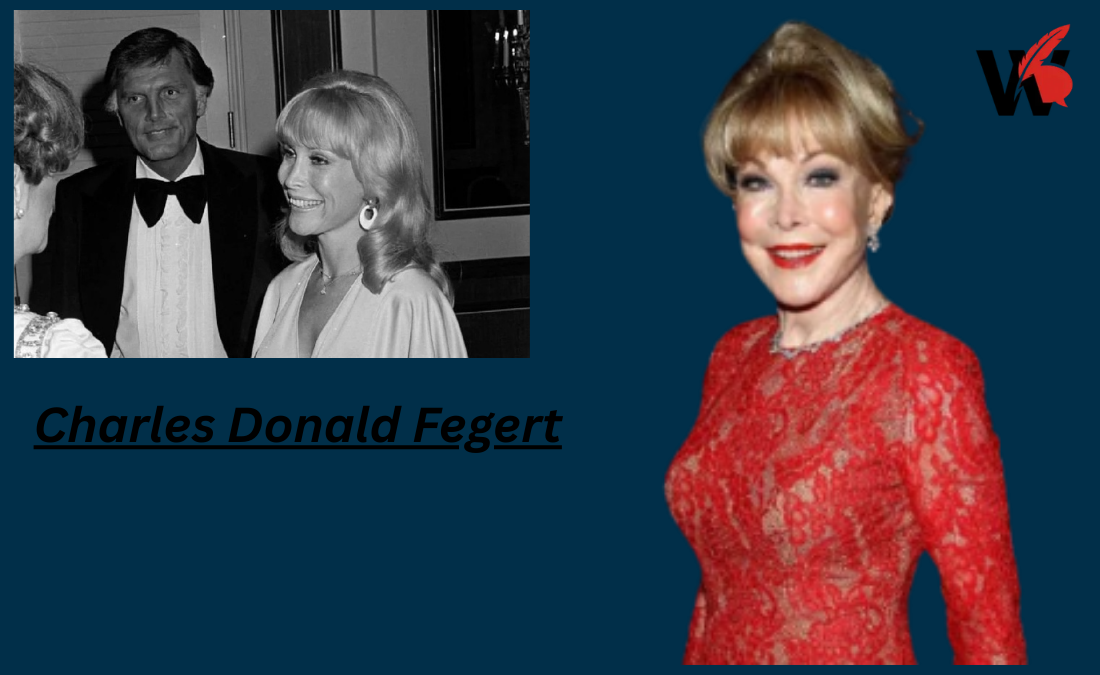
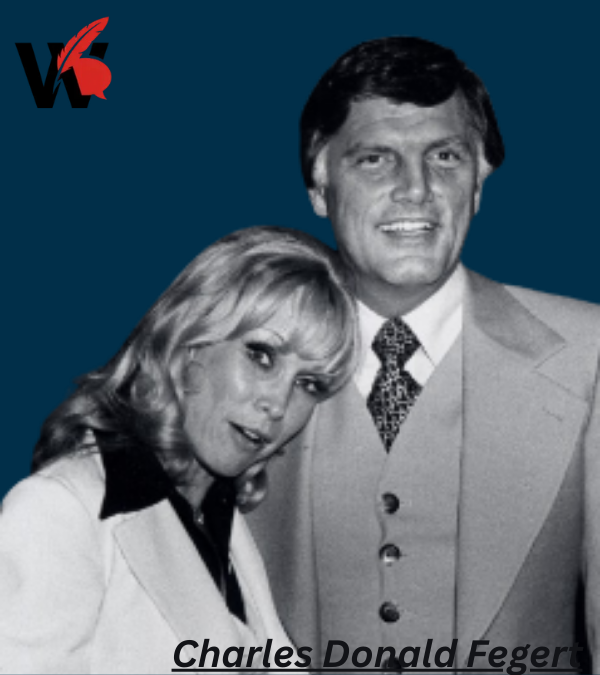
Fegert gained wider public recognition through his marriage to renowned actress Barbara Eden. Eden, famous for her role in the television series I Dream of Jeannie, married Charles Donald Fegert in 1977. Their union brought Fegert briefly into the spotlight, though he remained committed to privacy and professionalism. The marriage lasted until 1982, during which Fegert maintained his career in advertising while navigating the social demands of being married to a high-profile celebrity.
Those who knew him described Fegert as composed, supportive, and grounded, providing a stabilizing presence in Eden’s life during the marriage. His ability to manage public attention while preserving his personal and professional integrity reflected a careful balance between public and private life. The marriage highlights a significant aspect of Fegert’s biography: his capacity to exist within celebrity circles without losing his personal identity or principles.
Personality and Character
Charles Donald Fegert was known for his discretion, loyalty, and steady character. Friends and acquaintances described him as dependable and principled, someone who valued relationships and professional responsibility over fame or attention. His Midwestern roots and upbringing contributed to a demeanor that was calm, approachable, and practical.
Fegert’s character was evident in both his career and personal life. In the professional realm, he earned respect through competence and dedication, while in his personal life, he cultivated meaningful relationships with family, friends, and colleagues. Despite occasional public attention due to his marriage, he remained focused on his values, demonstrating that influence can be exercised quietly and effectively.
Later Years and Passing
Charles Donald Fegert continued to reside in Chicago, maintaining close ties to the city of his birth. He remained dedicated to his career, family, and social responsibilities, embodying the principles of integrity and professionalism throughout his life. Fegert passed away on September 25, 2002, at the age of 71.
Though his death did not generate widespread media coverage, it marked the conclusion of a life characterized by steady contribution, discretion, and meaningful personal relationships. His legacy is reflected in the respect he earned from colleagues, friends, and family, as well as in the enduring impact of his professional work in advertising and media management.
Legacy and Significance
The life of Charles Donald Fegert offers an important perspective on influence and legacy. He represents a generation of Americans whose contributions were vital to the functioning of public and professional institutions yet often remained unnoticed by the broader public. Fegert’s career in advertising helped shape media communication, enabling newspapers to thrive and supporting the flow of information and culture.
His marriage to Barbara Eden provides insight into the dynamics between ordinary individuals and celebrity life. Fegert demonstrated that it was possible to navigate the pressures of fame while maintaining personal integrity and professional focus. Beyond public attention, his character, professionalism, and loyalty left a lasting impression on those who knew him personally.
Fegert’s life illustrates the value of quiet influence. Not all contributions are measured by public recognition; many are felt in the decisions made, the guidance offered, and the relationships nurtured. In this sense, Charles Donald Fegert’s biography stands as a testament to the enduring impact of a life lived with purpose, integrity, and discretion.
Conclusion
Charles Donald Fegert’s story is one of subtle yet meaningful influence. Born in Chicago during a challenging era, he developed the character and skills that propelled him to success in the demanding world of media and advertising. His marriage to Barbara Eden brought him temporary public recognition, but he remained committed to a private, principled life. Fegert’s professional accomplishments, personal relationships, and steadfast character reflect a life of quiet dignity and lasting impact.
Though he may not be widely known in popular culture, Charles Donald Fegert’s life offers an important reminder that enduring influence often comes from dedication, integrity, and the choices made away from the spotlight. His biography serves as both a historical record and a testament to the enduring power of a life lived with discretion, purpose, and quiet strength.
Charles Donald Fegert’s legacy lies not in fame but in substance, leaving behind a model of how personal and professional excellence can shape the world in meaningful ways. His life demonstrates that true significance is often found not in public attention but in the respect earned, the work completed, and the positive impact on those whose lives intersect with one’s own.