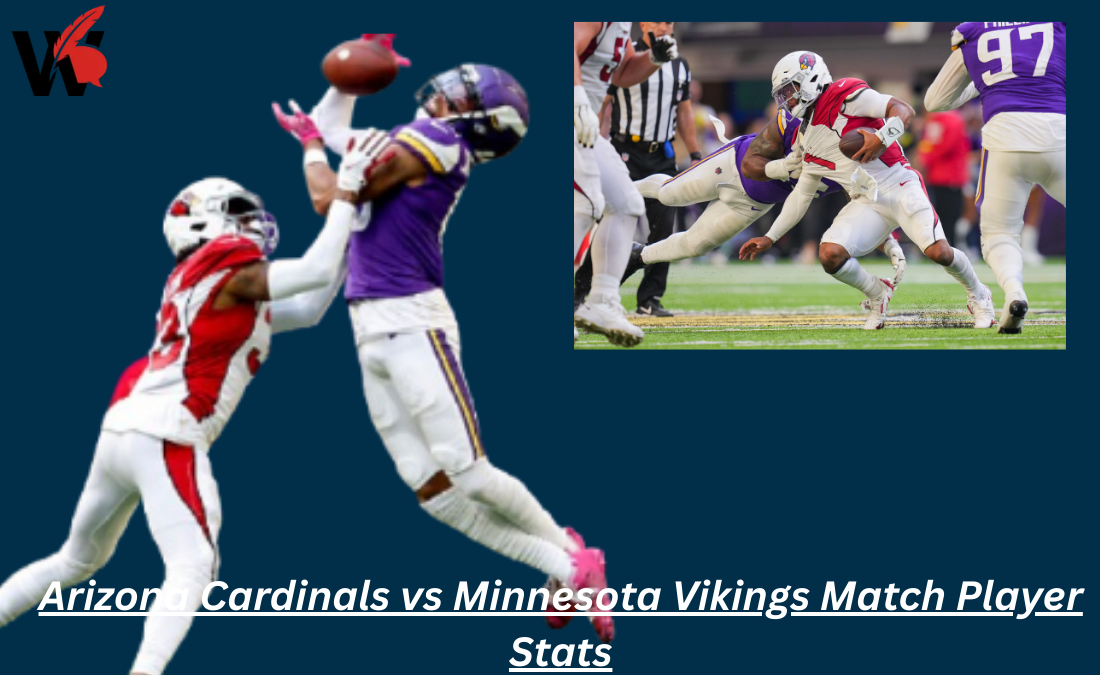
The matchup between the Arizona Cardinals vs Minnesota Vikings Match Player Stats is always a highly anticipated event in the NFL calendar. Even though these two teams are in different divisions, their encounters often result in tight contests, high-energy plays, and impressive individual performances. In this article, we will provide a detailed analysis of the Arizona Cardinals vs Minnesota Vikings match player stats, highlighting key players, team performance, and critical moments that shaped the outcome.
Game Overview
In the most recent meeting, the Arizona Cardinals faced the Minnesota Vikings in a closely contested game that ended 23-22 in favor of the Vikings. The game took place at the Vikings’ home stadium and featured a combination of explosive plays, defensive stands, and crucial turnovers. Both teams demonstrated strategic planning, with the Cardinals aiming to control possession and the Vikings seeking to exploit key matchups.
The game was competitive from start to finish, with multiple lead changes and scoring opportunities for both teams. This matchup highlighted the strengths and weaknesses of each roster and provided valuable insights into the performance of individual players.
Passing Statistics
Passing was a central component of the game, with both teams relying on their quarterbacks to lead offensive drives and create scoring chances.
Arizona Cardinals Passing Stats
Kyler Murray, the Cardinals’ quarterback, completed 31 of 45 passes for 260 yards. He threw one touchdown and two interceptions. Murray’s mobility allowed him to extend plays and connect with his receivers in critical moments, but the turnovers ultimately had a significant impact on the final score.
Minnesota Vikings Passing Stats
Sam Darnold led the Vikings’ passing attack with 21 completions out of 31 attempts, gaining 235 yards. He threw two touchdowns and did not commit any turnovers. Darnold’s accurate passing and decision-making under pressure were key factors in the Vikings’ narrow victory.
Receiving Statistics
The performance of receivers on both teams played a pivotal role in moving the chains and converting scoring opportunities.
Arizona Cardinals Receiving Stats
Tight end Trey McBride was the Cardinals’ top receiver with 12 catches for 96 yards. Wide receiver Marvin Harrison Jr. recorded five receptions for 60 yards and one touchdown, while Michael Wilson contributed five receptions for 55 yards. McBride’s consistent presence as a reliable target was critical in sustaining drives, and Harrison Jr.’s touchdown provided one of the key scoring plays for Arizona.
Minnesota Vikings Receiving Stats
Justin Jefferson led the Vikings with seven receptions for 99 yards, while Jordan Addison added four catches for 54 yards. Jefferson’s ability to gain yards after the catch helped maintain offensive momentum, and Addison contributed by providing additional options in the passing game. Their performances demonstrated the effectiveness of Minnesota’s receiving corps in key situations.
Rushing Statistics
While the passing game dominated, both teams also contributed on the ground to maintain balance and control possession.
Arizona Cardinals Rushing Stats
James Conner led the Cardinals’ rushing attack with 17 carries for 68 yards. The ground game helped Arizona manage the clock and keep their offense balanced. Other running backs contributed smaller gains, but Conner’s efforts were the primary source of rushing production.
Minnesota Vikings Rushing Stats
Aaron Jones carried the ball five times for 22 yards. The Vikings’ rushing game was less prominent but provided short-yardage conversions and helped sustain drives. The limited rushing yards were supplemented by efficient passing and strategic play-calling.
Defensive Performance
Defense played a significant role in determining the outcome of the game. Both teams had key defensive plays that impacted the final result.
Arizona Cardinals Defensive Stats
Linebacker Mack Wilson Sr. recorded two sacks, applying pressure on the Vikings’ quarterback and forcing hurried throws. The Cardinals’ defense also generated turnovers, although some scoring drives by Minnesota could not be stopped. The defensive effort kept the game competitive and prevented the Vikings from building a larger lead.

Minnesota Vikings Defensive Stats
Shaq Griffin secured an interception that came at a crucial moment late in the game, helping to preserve the Vikings’ narrow lead. The defense’s ability to limit big plays and make timely stops was a decisive factor in the outcome.
Overall Team Statistics
A comparison of team statistics provides insight into the flow of the game and overall performance.
Total yards for the Cardinals were higher than the Vikings, with Arizona gaining 406 yards compared to Minnesota’s 273. The Cardinals had 252 passing yards and 154 rushing yards, while the Vikings totaled 205 passing yards and 68 rushing yards. Arizona also had 25 first downs compared to Minnesota’s 19 and controlled the ball for a longer duration. Despite these advantages, turnovers and late-game defensive plays by Minnesota were decisive.
Key Players and Standouts
Kyler Murray’s dynamic play kept the Cardinals competitive, but his turnovers limited the impact of his performance. Sam Darnold’s efficient passing and ball protection were crucial for the Vikings. Justin Jefferson’s receiving yards provided consistent offensive production, while Trey McBride was instrumental in keeping the Cardinals moving down the field. Defensive contributions from Mack Wilson Sr. and Shaq Griffin illustrated the importance of individual defensive efforts in a closely contested matchup.
Historical Context
While the Arizona Cardinals and Minnesota Vikings do not play each other frequently, past meetings have been competitive. Recent games show a balance of wins and losses, with narrow margins and high-scoring affairs. The December 1, 2024 game continued this trend, emphasizing the competitiveness of the series.
Conclusion
The Arizona Cardinals vs Minnesota Vikings match player stats from this game reveal a competitive and exciting contest. The Vikings’ narrow 23-22 win was influenced by efficient quarterback play, timely defensive stops, and the ability to capitalize on key moments. The Cardinals demonstrated strength in total yardage and time of possession but were ultimately hindered by turnovers and missed opportunities.
Individual performances from Kyler Murray, Sam Darnold, Justin Jefferson, and Trey McBride highlight the impact of star players on the outcome. Overall, this matchup exemplifies how close games in the NFL are often decided by precision, execution, and the ability to perform under pressure. Both teams can take valuable lessons from this game to improve in future encounters and continue their pursuit of success in the league.